When to Invest in Indoor Air Quality Testing for Your Home
I remember the first time I walked into a house that had been closed up for months. The air felt thick, almost stale, and within ten minutes my eyes started watering. The homeowner told me they had just changed the HVAC filter, but something still felt off. That is when I realized how easy it is to ignore the air we breathe every day. Indoor air quality testing is not something most people think about until there is a visible problem, like mold on a wall or a musty smell in the basement. By then, the issue has often been brewing for a while.
The truth is, the air inside our homes can carry a surprising mix of contaminants. Mold spores, allergens, particulate matter, and even gases like carbon monoxide or radon gas can build up without obvious signs. I have seen homes where the only clue was a persistent cough or a family member with worsening allergies. That is why indoor air quality testing matters. It gives you a baseline, a snapshot of what is actually in the air, so you can decide what needs attention.
What Indoor Air Quality Testing Actually Measures
A good IAQ test goes beyond just checking for mold. Modern IAQ meters can detect a range of pollutants, including volatile organic compounds, commonly called VOCs, which come from paints, cleaning products, and new furniture. They also measure humidity levels, temperature, and sometimes carbon dioxide concentrations. Some devices even pick up particulate matter, the tiny particles that can lodge deep in the lungs. If you are dealing with a suspected mold problem, a professional will often use VOC sensors alongside air sampling to identify the types of mold spores present.
I once worked with a family whose child had developed asthma-like symptoms after they moved into a renovated house. The air smelled clean, and there was no visible mold. But when we ran indoor air quality testing, the numbers showed elevated levels of formaldehyde and other VOCs from the new flooring and cabinetry. That testing gave them the data they needed to improve ventilation and add air purifiers with HEPA filters. Within a few weeks, the child’s symptoms eased.
Mold and Moisture: The Hidden Drivers
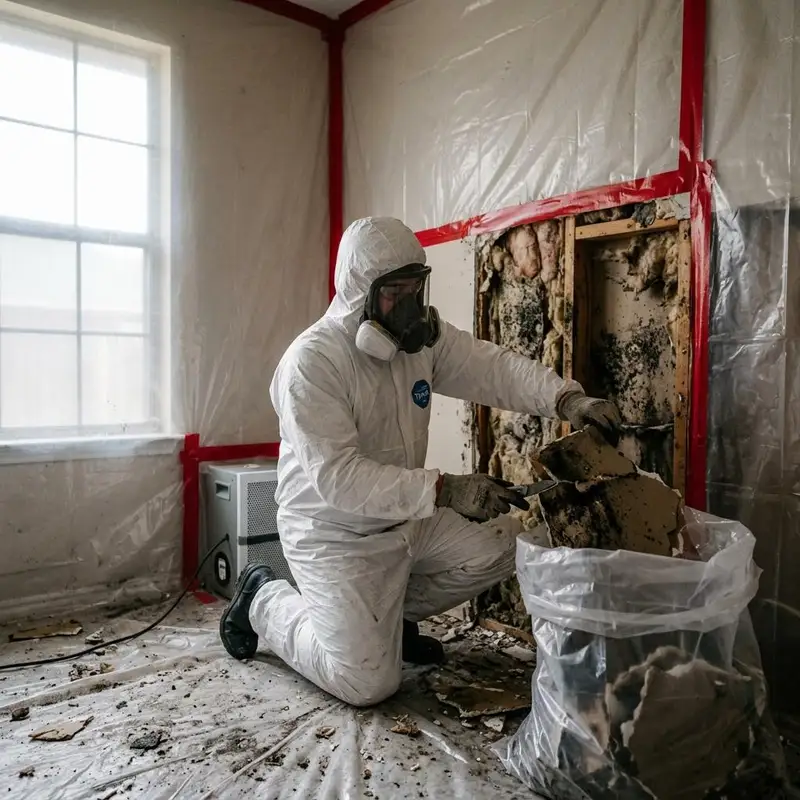
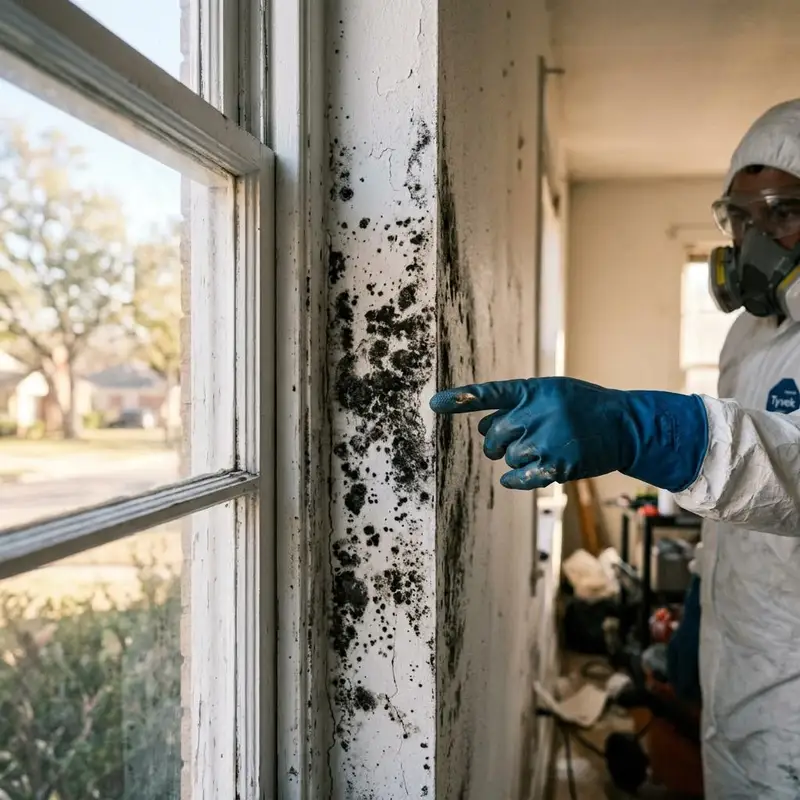
Mold is one of the most common reasons people call for air quality help. Mold spores are everywhere outdoors, but they become a problem when they find damp spots indoors. That is where moisture control comes in. If you have a leaky pipe or poor drainage around the foundation, you are creating a perfect environment for mold to grow. A professional mold inspection often goes hand in hand with indoor air quality testing. The testing can confirm whether airborne spore levels are higher indoors than outdoors, which is a strong sign of a hidden mold reservoir.
I have seen cases where the mold was inside a wall cavity, completely invisible. The only hint was a slight musty smell near the baseboards. The IAQ test picked up bioaerosols, the tiny biological particles that include mold spores and bacteria. That led to a targeted duct cleaning and removal of the affected drywall. Without the test, the family might have lived with that mold for years, slowly affecting their respiratory health.
Radon and Carbon Monoxide: The Silent Risks
Not all air quality threats come from living things. Radon gas is a radioactive gas that seeps up from the ground, especially in certain regions like parts of Texas. It is odorless and colorless, so the only way to know if it is present is through specific testing. The Texas Commission on Environmental Quality provides guidance on radon levels, but it is up to homeowners to test. Similarly, carbon monoxide is a combustion byproduct that can come from gas stoves, furnaces, or attached garages. Both of these gases can reach dangerous concentrations without any noticeable smell. A comprehensive indoor air quality test should include sensors for both radon gas and carbon monoxide.
I recall a house where the homeowner had been experiencing headaches and dizziness for months. They blamed it on stress. When I tested the air, the carbon monoxide levels were just above the safety threshold set by the Consumer Product Safety Commission. The source turned out to be a cracked heat exchanger in the furnace. The test literally gave them a warning before the situation turned critical.
How to Choose Between DIY and Professional Testing
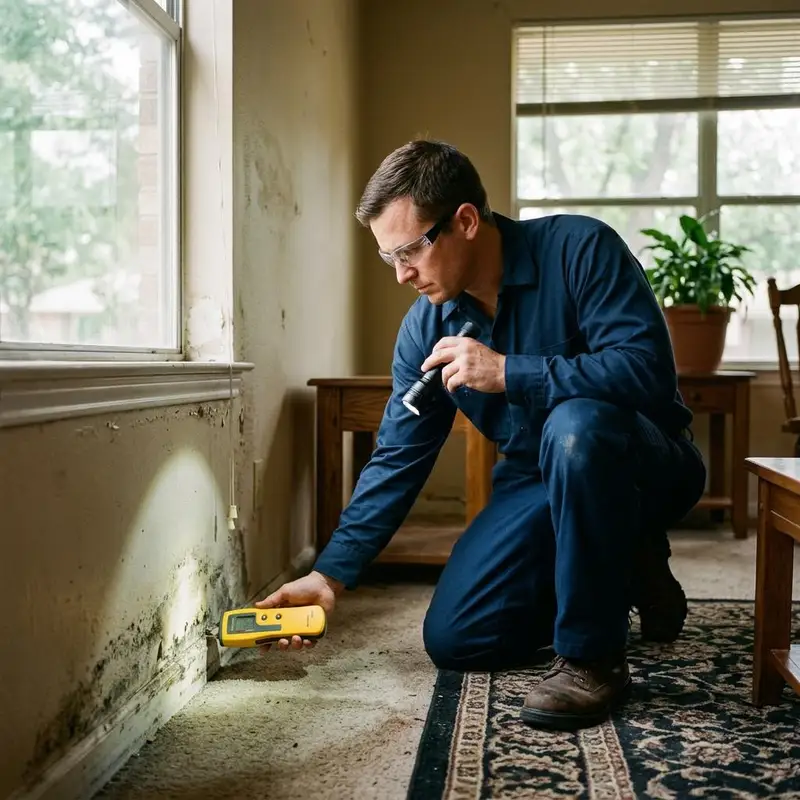
There are plenty of consumer-grade IAQ meters and test kits available online. Some measure particulate matter and VOCs, others are designed for specific contaminants like radon. DIY testing can give you a rough idea, especially if you just want to check humidity or temperature. But for a thorough assessment, especially if you suspect mold or a gas leak, professional testing is worth the investment. Professionals use calibrated equipment and know how to interpret the results in context. They can also sample for bioaerosols and analyze the types of mold spores present, something a home kit cannot do.
I usually tell people to start with a simple air quality index monitor for a few weeks. If the readings stay within normal ranges and no one in the house is sick, you may not need more. But if you notice patterns, like high humidity in the bathroom or a spike in VOCs after cleaning, then a deeper test makes sense. Some homeowners also choose to test after major renovations, before moving into a new house, or after water damage. The National Air Duct Cleaners Association recommends periodic duct cleaning and air quality checks for homes with forced-air HVAC systems, as dirty ducts can circulate dust and mold spores throughout the house.
Practical Steps After You Get Results
Once you have your test results, the next steps depend on what is elevated. If humidity is high, improving ventilation and using dehumidifiers helps. If VOCs are high, look for the source, maybe an old can of paint or a new piece of furniture, and increase fresh air intake. For mold problems, you need to fix the moisture source first, then clean or remove the moldy materials. HEPA filters and air purifiers can help remove airborne particles, but they are not a cure for active mold growth.
In some cases, the solution involves upgrading the HVAC system or adding better filtration. I have seen homes where a simple change in filter type, from a standard fiberglass filter to a higher MERV-rated one, made a big difference in particulate levels. For radon, mitigation might involve sealing cracks in the foundation or installing a vent pipe system. The key is to act on the data. Indoor air quality testing is only useful if you use the results to make changes.
Common Contaminants and Their Sources
- Mold spores and bioaerosols from damp areas, leaky roofs, and poor ventilation
- VOCs from paints, adhesives, cleaning products, and new furniture
- Particulate matter from cooking, candles, and outdoor air infiltration
- Radon gas from soil and rock beneath the foundation
- Carbon monoxide from unvented gas appliances and vehicle exhaust
Each of these contaminants requires a different approach. That is why a blanket solution like running an air purifier full time may not address the root cause. For example, an air purifier with a HEPA filter will capture mold spores and particulate matter, but it will not remove radon gas or reduce carbon monoxide. You need to match the solution to the problem.
When to Test Again
Air quality is not static. It changes with the seasons, with renovations, and with your daily habits. I recommend testing at least once a year, especially if you live in an older home or one with a basement. You might also test after any water intrusion, like a flood or a plumbing leak, even if you think you dried everything out. Mold can start growing within 24 to 48 hours, and it often hides behind baseboards or under carpet.
I also suggest testing if you notice new symptoms among family members, like headaches, fatigue, or respiratory issues. Sometimes the cause is something as simple as a forgotten air conditioner drip pan that has become a breeding ground for bacteria. A quick test can give you peace of mind or point you toward a fix.
The Role of Ventilation and Duct Cleaning
Ventilation is one of the most effective tools for improving indoor air. Opening windows, using exhaust fans in bathrooms and kitchens, and making sure your HVAC system brings in fresh air all help dilute indoor pollutants. Over time, dust and debris can accumulate in ductwork, and if there is moisture, mold can grow there too. That is where duct cleaning comes in. The National Air Duct Cleaners Association sets standards for cleaning procedures, and a professional duct cleaning can remove accumulated dust, mold spores, and other debris from the system.
I have been in homes where the ducts had not been cleaned in over a decade. When the HVAC system kicked on, it would blast a puff of dusty air into each room. After a thorough cleaning and a follow-up IAQ test, the particulate levels dropped significantly. It is not always the first thing people think of, but it can make a real difference.
Final Thoughts
Indoor air quality testing is not about chasing perfect numbers. It is about understanding what is in the air you and your family breathe every day. Whether you do it yourself with an IAQ meter or bring in a professional for a full assessment, the information you get is empowering. It helps you decide whether to add an air purifier, improve ventilation, call for mold inspection, or address a hidden gas leak. The air inside your home does not have to be a mystery. A few simple tests can turn it into something you can manage with confidence.